 This was an obscure little book that I found from reading other material that led me to this. Stuart Ferguson, a successful lawyer and creator of the New World Archeological Foundation, takes 73 pages to tell me why he thinks the Hill Cumorah is in Central America and NOT in New York. This book was written in 1947, which seemed to be a turning point for that theory to be cemented in the stone walls of BYU academia. It is interesting because it was not long after that that a few other publications came out AGAINST the 2-Hill Cumorah theory (which I will be featuring in future posts).
It the time of the writing (and is mentioned at the beginning of the book) the 2-Hill Cumorah theory was fairly unknown. So it was obvious that this book was an attempt to make it known to all the world THIS was the new idea.
In the beginning, he stresses the importance of needing to know the location of the Book of Mormon to support its validity (which is interesting because most people are all for the spirit of the matter, but then again this is what was on Ferguson’s mind. He eventually left the church due to unbelief).
He writes “The Book of Mormon, although primarily important for its theology and doctrines, is in large measure historical…Geography has always been important to the understanding of history. It is important to the Book of Mormon student”.
He continues “If we misconstrue the geography of the Book of Mormon, we may make an entirely consistent record appear inconsistent with itself and with factual findings of science. In some instances worthwhile persons may be dissuaded by our own errors from making a complete investigation of Mormonism.” (Kind of ironic coming from Ferguson).
He then compares what he calls the “New York View” to the “Middle American” view. He explains evidence that supports both and then criticism for both. Of course the criticism for the Middle American view was barley a page long, while the criticism for the New York view was 11 pages, spending most of his time talking about how Oliver Cowdery was a flawed individual and that the Zelph’s Mound episode was weak.
Simply stated, he feels that early church leaders did not know what they were talking about.
His closing statement: “The writer favors the Middle American view. The Book of Mormon itself seems to speak so clearly on the question, and there can be no doubt as to the credibility of the evidence from that source.” (My interjection: the Book of Mormon is NOT clear on where it happened, otherwise, why are are having this discussion.) “There mere fact that the early members of the Church took up the New York view and that it has been adhered to ever since does not necessarily make it correct”.
At the moment, in my personal study about the Hill Cumorah, so far it seems that it has almost become spiritual vs archeological. There is more historical and spiritual evidence of New York being the hill and possibly more archeological evidence of it being in Central America. OR is it that we’ve spent so much time in Central America that we’ve gotten comfortable in that idea? OR are academics (who are LDS) are afraid to mix the archeology and the spiritual?
 Another thing I noticed in the 2-Hill Cumorah Theory is that it seems to have to continually be reintroduced to the public. In 1999, a video was released called “In Search of Ancient Cumorah”, which seemed to “reintroduce” the idea of a 2-Hill Cumorah theory. I am using this video as a basis for the next round of video I will be producing for Hidden in the Heartland.
The other fact about the 2-Hill Cumorah theory is that very few members STILL know nothing about it. When I talk about it in Hidden in the Heartland, people respond with “what…?”. I can understand they would be confused since the Church has spent millions of dollars building and maintaining a Hill Cumorah Visitors Center and and Pageant to go with it.
Again, Stuart Ferguson and the New World Archeological Foundation have spent 100 years digging in Central America and found great stuff. I have yet to hear of any kind of archeological dig in North America by BYU or any related organizations.

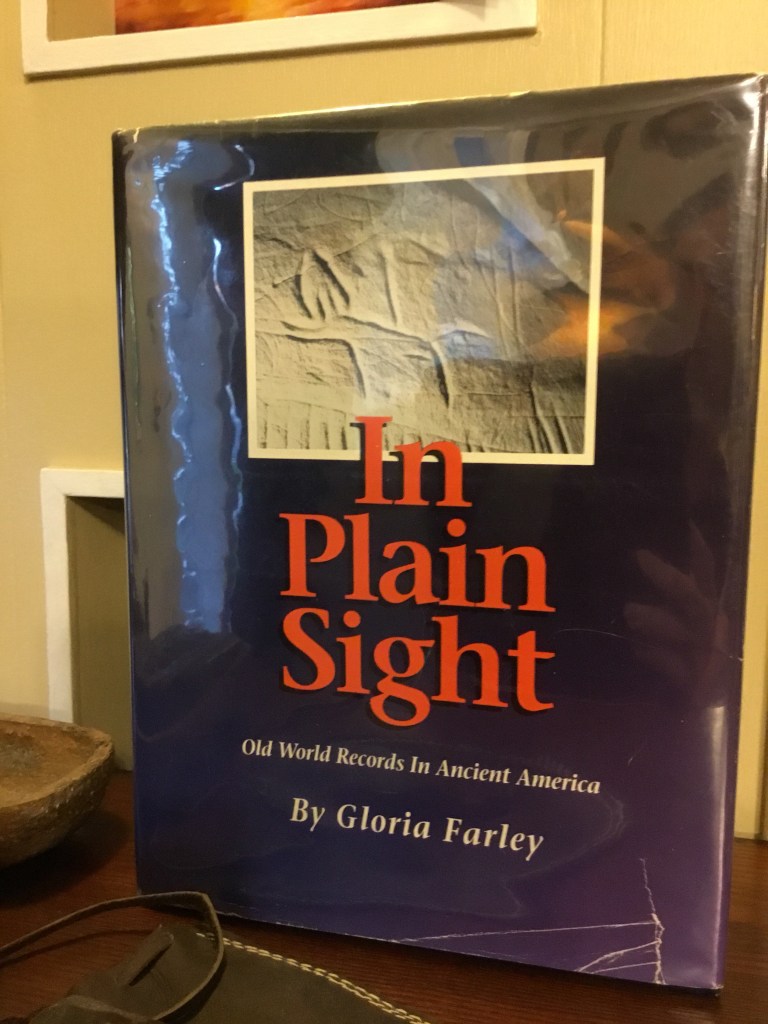 Published in 1994, the material in this book was a result of 40 years of research from Gloria Farley. As I look in this book, I notice the familiar names from the era of the 1970’s and 80’s like Dr. Joseph Mahan (the ISAC Organization) Barry Fell (America BC) Cyrus Gordon and Henrietta Mertz (discovering the Hebrew of the Bat Creek Stone) and even Paul Cheesman all getting credited for material in this book.
 This was published in 1991, which was the year of Paul Cheeseman’s passing while he was serving as a missionary in Palmyra. As my study continues, I am still trying to figure what his mission was, and if he served at the Hill Cumorah or just around Palmyra. It would be kind of ironic being that he was part of the group that believed the Hill Cumorah in New York was the “secondary” hill.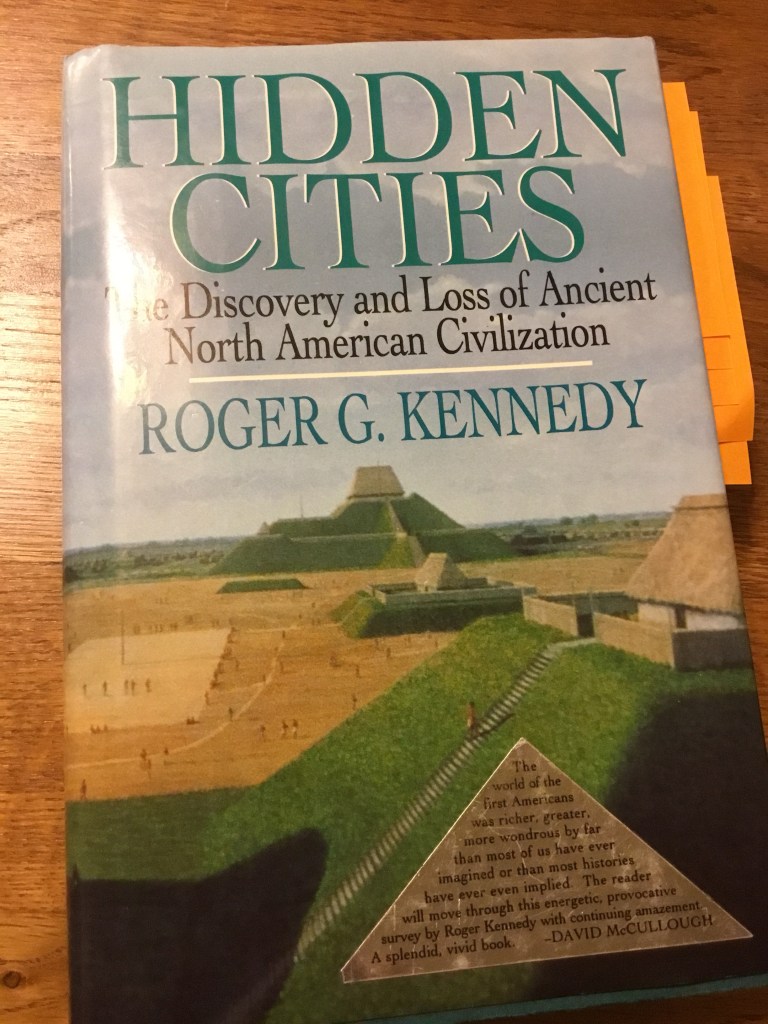

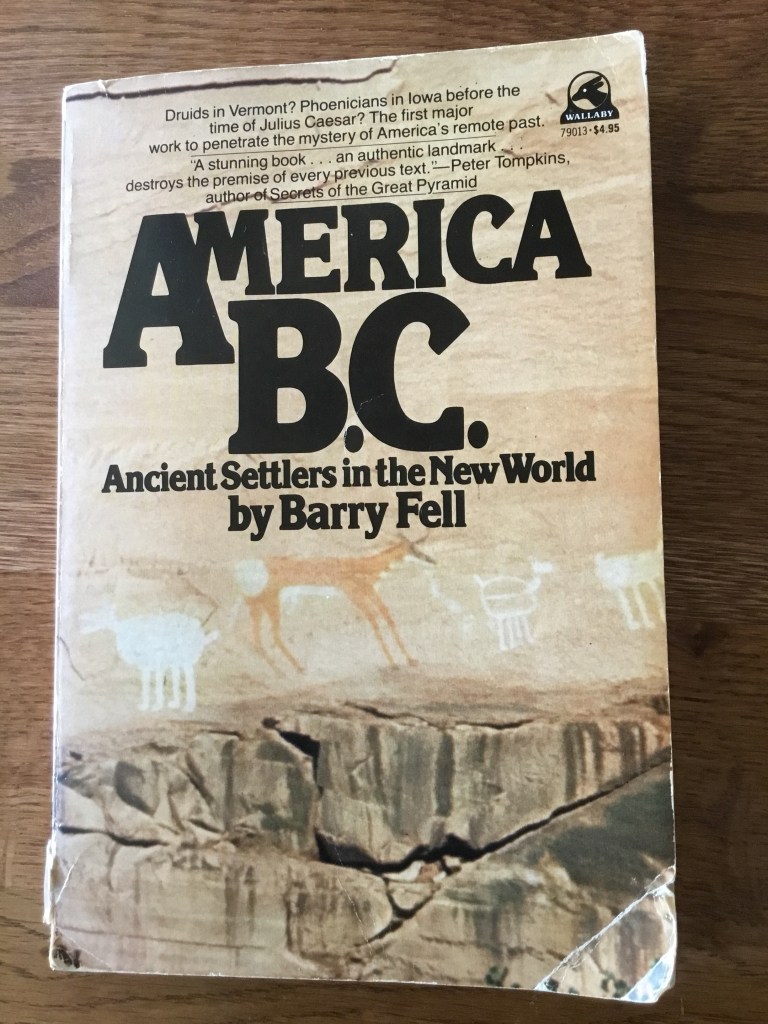 While everyone’s eyes in Book of Mormon archeology were focused in Central America, there was a time when a group of people, non-Mormon related, got together and talked about who was here in the United States before Columbus, namely diffusionists.
 This is kind of an interesting take, continuing with the search for the 2-Hill Cumorah theory. This book was written in 1959 by Riley L. Dixon. Dixon then died soon after because in this copy of the book, a program of his funeral was glued to the inner cover.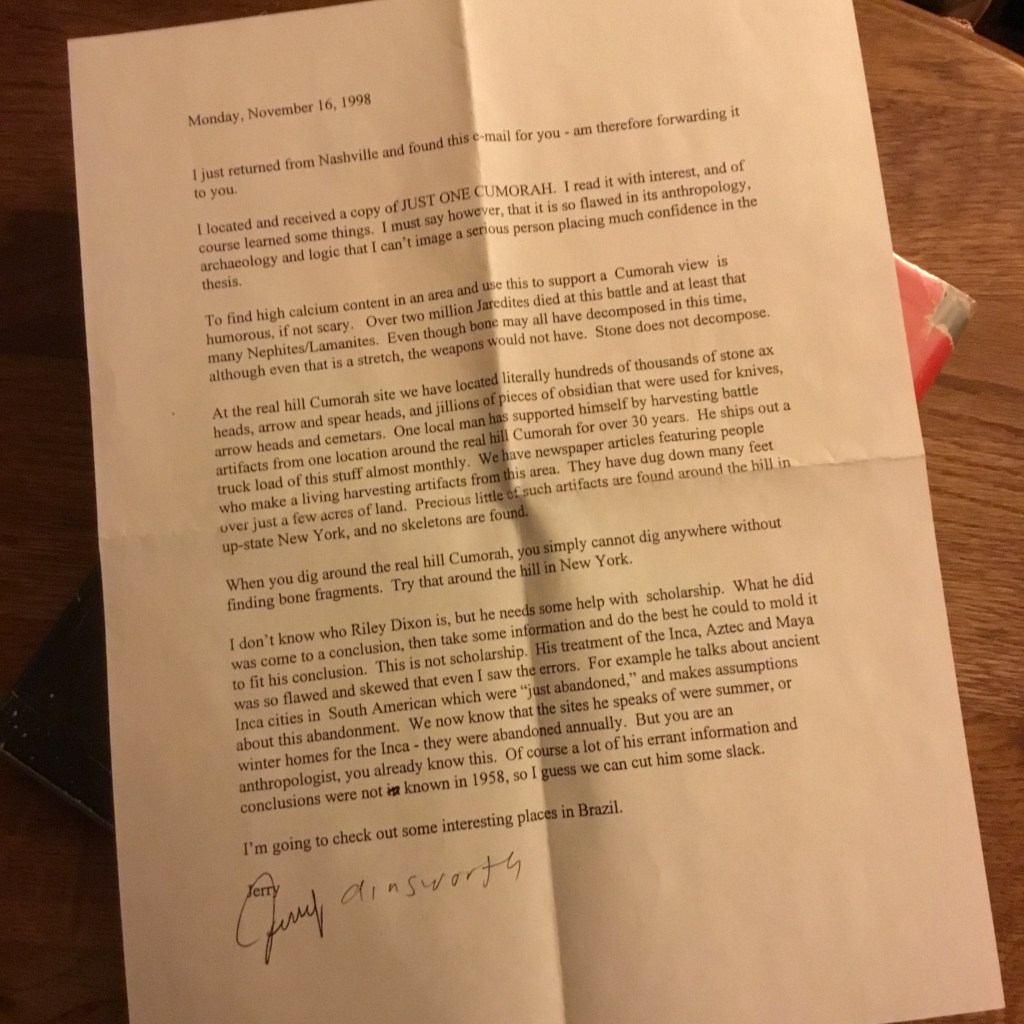
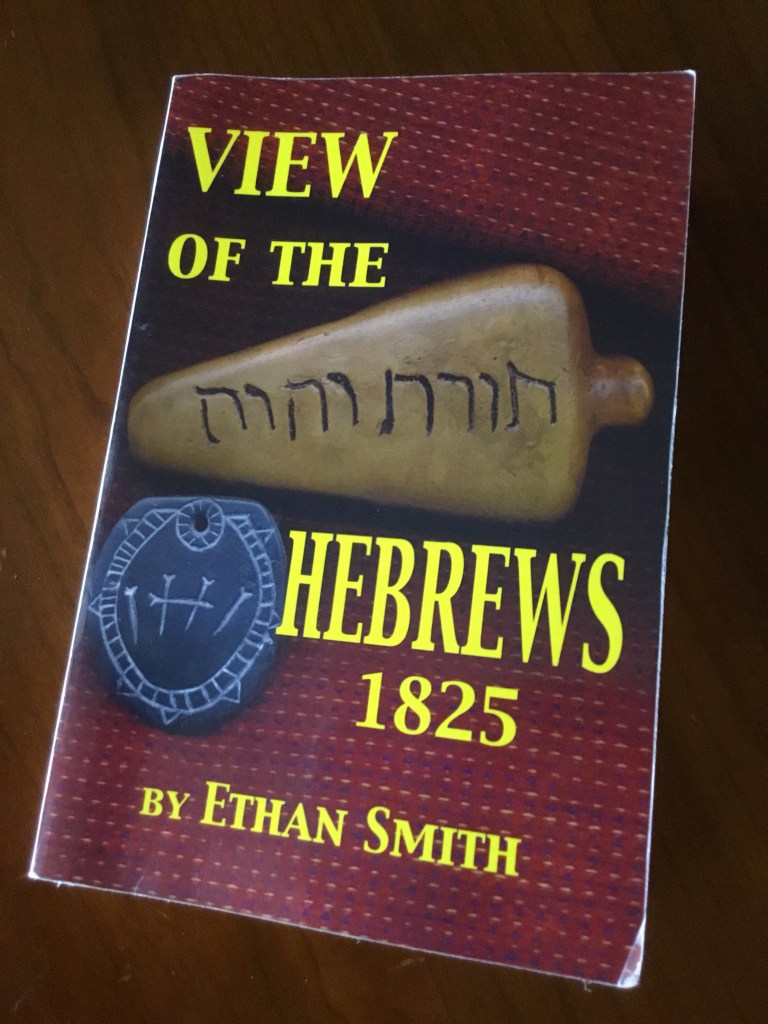 The attractive idea of this book is that is was written in 1825, by Ethan Smith (no relation to Joseph Smith). The front cover reads that Smith is a “Pastor of a Church in Poultney, Vermont”. It is interesting to read older books talking about the past. It may not be entirely accurate, but there is that chance that it is closer to the truth then what is written today.
 This book was written in 1978, which was during the peak of the Mesoamerican, 2-Hill Cumorah concept acceptance from the experts at BYU. Author and BYU archeologist Paul Cheeseman covered many concepts that focused on the possibility of the Book of Mormon events happening in Central America.
